Background
The sales team for US Wealth generates $25 billion annually representing 30% of annual net revenue for the firm. They recently changed their sales coverage model for financial advisors from being branch location based to a more custom market strategy set by COO. This large initiative of work was combined with another large project to migrate platforms and completely rewrite processes in order to reduce technical debt and build to scale up and out as a global firmwide coverage solution. The project was dubbed Project Pizza because someone joked it would be one heck of a pizza party when it launched.
MVP delivery timing had to be earlier than expected due to year end business requirements. This equated to cutting scope from MVP. Heightened pressure from other businesses at the firm resulted in moving engineers from the MVP project squad immediately to new high priority initiatives. Part of the strategic plan was for my business partner, Client Data, to support US Wealth coverage data changes as needed.
Problem Statement
Tight timeline meant critical features needed for Client Data to manage the data were not available. It also meant that end-to-end testing of the platform was abbreviated. The complex system design included data movement to and from multiple data sources marking several possible points of failures. Last minute market coverage changes from the business resulted in bad data added in the initial upload. This perfect storm made it difficult to troubleshoot and determine root cause of issues as they were reported by the business.
The mission was to clean up the data, identify and fix any bugs, plus deliver day 2 and beyond features.
My Role
As product manager and scrum master for Client Data my role was to help research and explain bugs, define and prioritize features, drive squad delivery, while providing transparency to senior leadership and multiple stakeholders. The squad ranged from four to six engineers and spanned Seattle to Gurgaon with only one engineer from the original Pizza squad. I met as much as schedules would allow with the original Pizza squad to learn as much about the business cases and expected functionalities as possible. Much was documented to pour over. I also queried data heavily to become expert in the data model. The biggest challenge by far was for me to synthesize the many issues into an easy to follow explanation, project plan, and timeline to completion.

Summary
There were bugs on top of bugs from the multiple failure points. This made finding the root cause and eventually testing fixes extremely difficult. There was bad data. Unfortunately, the bug combined with the bad data would create more bad data. So when the business reported a production issue I had to really dig into each issue to determine is it bad data or is it a bug or is it both. If it is bad data, what caused it? Is it bad data left over from a bug fix? If not, what’s the best way to correct it? If it is a new bug how do I find good data to test the bug fix? Once we fix the bug what data needs to be fixed and how? Rinse and repeat while fixing lower priority bugs and data issues.
After six months we had all known bugs fixed, process enhancements completed and minimum application features released. This allowed Client Data to manage coverage changes and for US Wealth to efficiently manage their sales market. For three months we combed the data and performed deep clean up in concert with the business to ensure low to no impact.
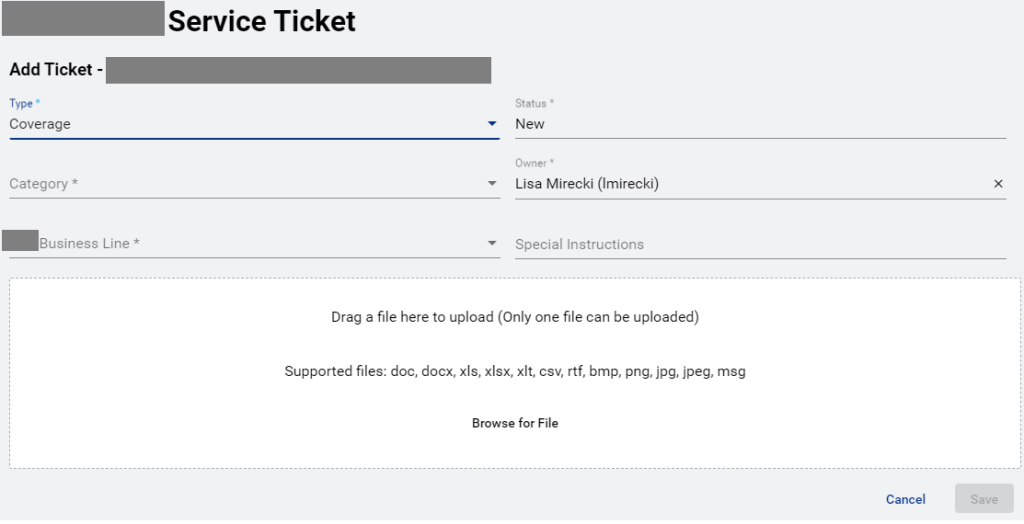
Finally, we took the opportunity to build out essential tools for US Wealth to make and track coverage change requests and for the small but mighty Client Data team to process these several hundred weekly requests in bulk. Ultimately, 15 months later we officially entered business as usual, streamlined happy state.
Outcomes
Bugs Zapped: 27
Data Cleansed: 45k+ rows
Enhancements: 17
Backlog of Client Data data requests cleared through bulk tools I built: 13000+
Average tickets now cleared a month 360 per week, 1500+ per month
Learning
Always err on the side of over communicating. To your business partner, to your manager, to your team, to your skip manager, to anyone.
Ask as many questions as you can think of. When you run out of questions ask them to walk you through their day in order to learn more and think of even more questions.
Get benchmark data and write it down. It is always so good to know how things are today to measure progress tomorrow.
 Lisa Mirecki